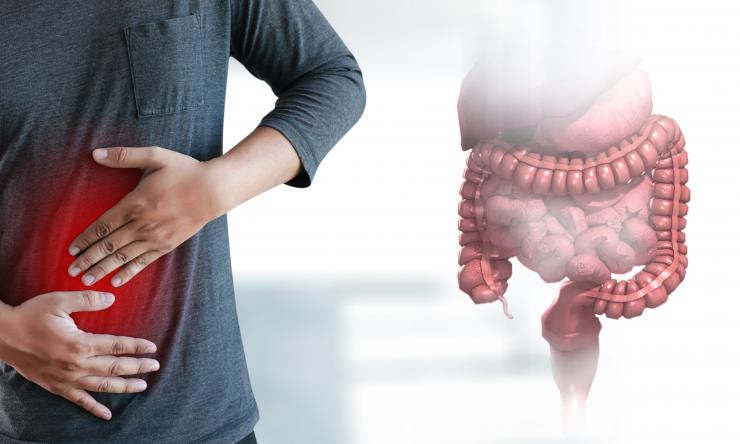
Haemorrhoids or more commonly known as piles are a very common condition that affects a lot of people at some point in their lives. They are also the most common medical condition that affects the rectum and the anal canal. The rectum and the anal canal are the last parts of the digestive tract before it opens out through the anus.
There is a sphincter in the rectum that regulates the outward movement of stool, and it is protected by venous cushions. When these venous cushions get inflamed and swollen, the condition is called haemorrhoids.
These swollen venous cushions can remain inside the rectum and are known as internal haemorrhoids, or come out to the surface at the anus and are known as external haemorrhoids. The blood inside the external haemorrhoids can clot, and the condition is known as thrombosed haemorrhoids.
A lot of conditions can lead to the development of haemorrhoids such as aging, straining during defecation, irregular bowel movements, chronic constipation or diarrhea, sitting for extended periods on the toilet bowl, low fibre diet, excessive body weight, lack of exercise or sedentary lifestyle, and anal sex. In women, pregnancy and the increased pressure inside the abdomen can also lead to the development of piles.
The right way to deal with haemorrhoids is to get medical help if symptoms of bleeding or blood in stool, pain, swelling or hard mass around the anus, itching around the anus are noticed. A colorectal surgeon usually is able to diagnose haemorrhoids with a physical of the rectum and anal canal, a digital rectal examination, and with simple procedures such as anoscopy, or proctoscopy. Management of haemorrhoids is usually conservative with medications to relieve pain and itching, and stool softeners to allow for easy passage of stool and prevention of pain during defecation.
Other minor but effective measures primarily include dietary modifications to include a high fibre diet to soften stool and prevent straining. Learn more about proper ways to manage haemorrhoids by visiting Skedoc.com, and also get online doctor consultation to quickly address any medical queries or concerns.